FAQs About Ductless AC and Heat Systems
ductless ac and heat systems are becoming a beloved choice for homeowners who want efficient, targeted comfort without the complexity of ductwork. Because it can cool and heat individual rooms with ease, they’re perfect for spaces that central HVAC systems struggle to reach.
Many homeowners choose them for their flexibility, quiet performance, and cost savings. In my experience working with these systems, I’ve seen them transform uncomfortable rooms into cozy, well-balanced environments almost instantly.

How Ductless AC and Heat Systems Work
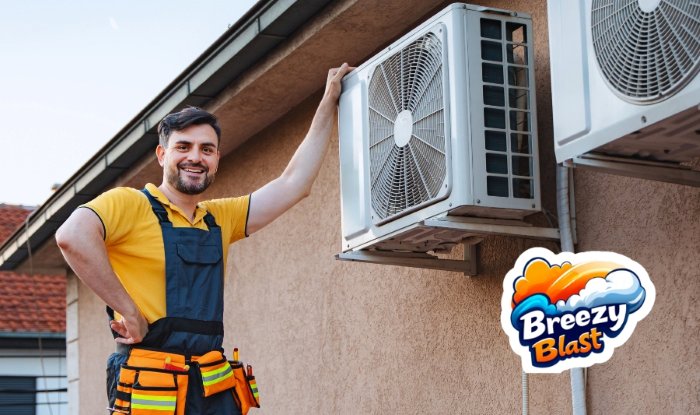
Ductless AC and Heat Systems, often called mini-splits, use two main parts:
- An outdoor compressor
- One or more indoor air-handling units
These components connect through small refrigerant lines that pass through a tiny wall opening. Because they avoid ducts, they prevent energy loss commonly found in traditional HVAC ductwork. With modern inverter technology, they continuously adjust output to maintain steady temperatures, reducing sudden temperature swings that many homeowners dislike.
Advantages of Ductless AC and Heat Systems
Ductless AC and Heat Systems offer several standout advantages:
- Energy Efficiency: Without ducts, they can avoid up to 30% energy loss.
- Easy Installation: No major construction required.
- Room-by-Room Control: Each room can have its own temperature.
- Quiet Operation: Indoor units run quietly, ideal for bedrooms or offices.
- Cost Savings: Lower monthly bills thanks to efficient heat pump technology.
Because of these benefits, homeowners often consider them a long-term investment rather than a simple upgrade.
Costs of Ductless AC and Heat Systems
The cost depends on system size, brand, and number of zones. While the initial cost may seem higher than window units, the long-term savings can outweigh the investment.
Cost factors include:
- Single-zone vs multi-zone
- BTU capacity
- SEER efficiency rating
- Installation complexity
While premium brands cost more, they often deliver lower energy bills and longer warranties — making them a solid investment.
Maintenance Tips for Ductless AC and Heat Systems
Maintenance is straightforward:
- Clean indoor filters every few weeks
- Rinse outdoor coils seasonally
- Keep outdoor units free from leaves, branches, or debris
- Schedule professional inspections yearly
Clean filters help the system breathe easier, reduce energy waste, and improve indoor air quality. The easier maintenance makes these systems appealing to homeowners seeking a low-hassle solution.
Efficiency Features
Modern Ductless AC and Heat Systems use advanced features like:
- Inverter compressors that adjust power smoothly
- High SEER and HSPF ratings for strong efficiency
- Smart controls that allow Wi-Fi operation
- Eco-friendly refrigerants
These features help reduce energy use, create consistent temperatures, and improve lifetime performance.
Indoor Air Quality
Ductless systems offer excellent indoor air quality benefits. With multi-stage filtration, they help capture dust, pollen, and other airborne irritants. Without ducts, there’s no chance for dirt or mold build-up spreading throughout the home. This makes them a smart option for people with allergies or asthma.
Common Problems with Ductless & Heat Systems
Common issues include:
- Clogged filters
- Dirty coils
- Blocked outdoor airflow
- Low refrigerant
- Incorrect temperature settings
Thankfully, most issues are minor and easy to solve. Regular cleaning and annual inspections prevent most performance problems before they start.
Lifespan of Ductless & Heat Systems
A well-maintained system can last 15–20 years. Because they experience less stress than traditional HVAC units, their lifespan tends to be longer. Brands that offer extended warranties often deliver even more peace of mind.
Noise Levels in Ductless and Heat Systems
One of the best things about these systems is how quietly they operate. Indoor units often operate around 19–30 decibels, which is softer than a whisper. Outdoor units are also quieter than traditional AC condensers, making them perfect for close-quarter properties.
Ductless and Heat Systems for Older Homes
Older homes often lack ductwork, making Ductless AC and Heat Systems a perfect fit. Instead of tearing walls and ceilings apart, homeowners can enjoy modern comfort with simple installation. This makes ductless technology especially popular for historic homes or cottages.
Environmental Impact
These systems use less electricity and eco-friendly refrigerants. Because they deliver targeted heating and cooling, they reduce unnecessary energy use. Homeowners seeking a greener lifestyle appreciate the reduced carbon footprint.
FAQs About Ductless AC and Heat Systems
Yes, most homeowners save significantly on energy bills, making them worth the investment.
High-quality models perform impressively even in cold climates.
Yes, multi-zone setups allow one outdoor unit to power several indoor units.
No, they are among the quietest HVAC options available.
Every two to four weeks is ideal for peak performance.
Yes, they naturally dehumidify as they cool.
Conclusion
Ductless AC and Heat Systems offer comfort, flexibility, and energy savings that many homeowners appreciate. Whether you’re upgrading an older house, finishing an addition, or simply tired of uneven temperatures, these systems can provide a powerful, efficient solution. With easy installation, simple maintenance, and smart design, ductless systems are becoming one of the most trusted choices in modern home comfort.